
Panniculectomy vs Body Lift — Understanding Your Options
If you’ve had major weight loss after bariatric surgery, excess skin removal choices matter. This page explains what each procedure treats, typical costs and recovery in Tijuana, expected scarring, and how board-certified teams at Hospital CER prioritize safety and symmetry.

What Each Procedure Treats
A panniculectomy removes the redundant pannus (the overhanging apron of skin and fat that can sit low on the abdomen). It is often performed to relieve functional issues — rashes, hygiene problems, or interference with movement — and can be done as a standalone procedure or combined with other operations.
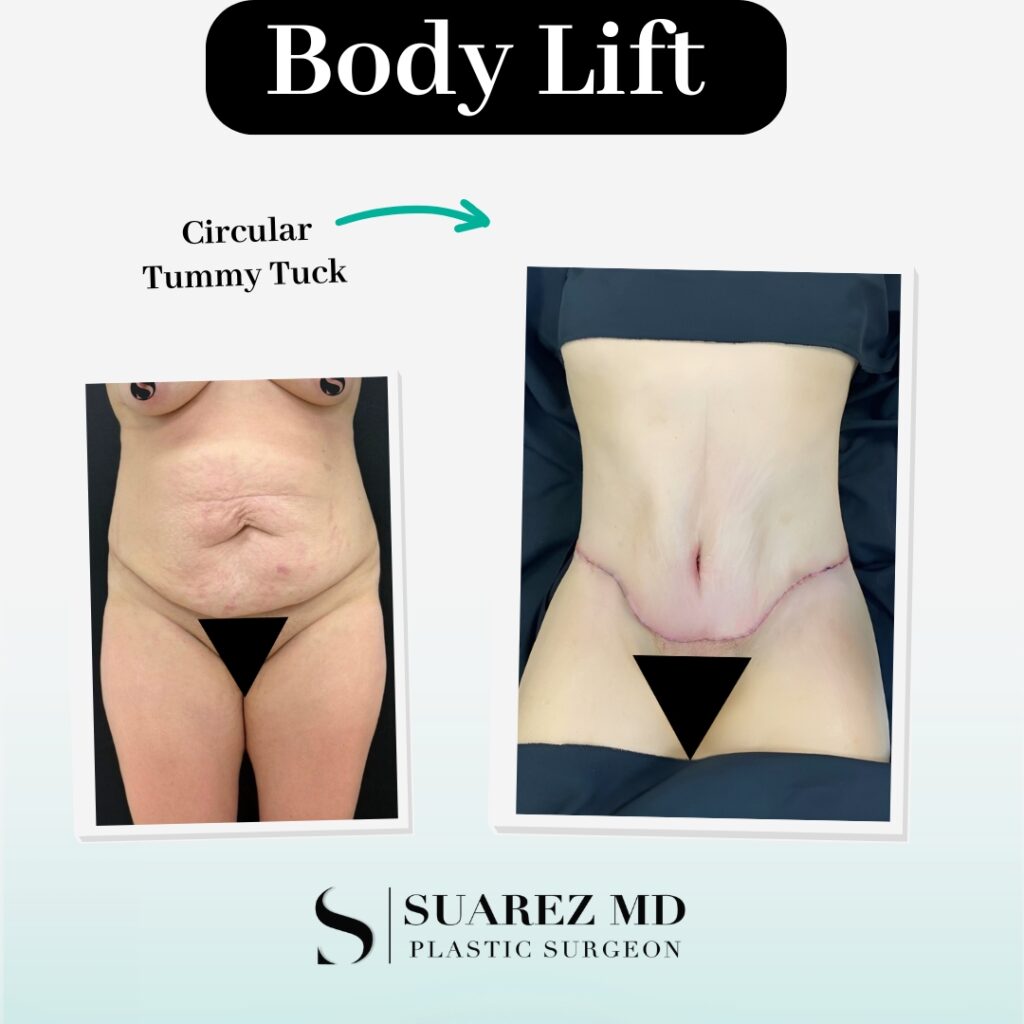
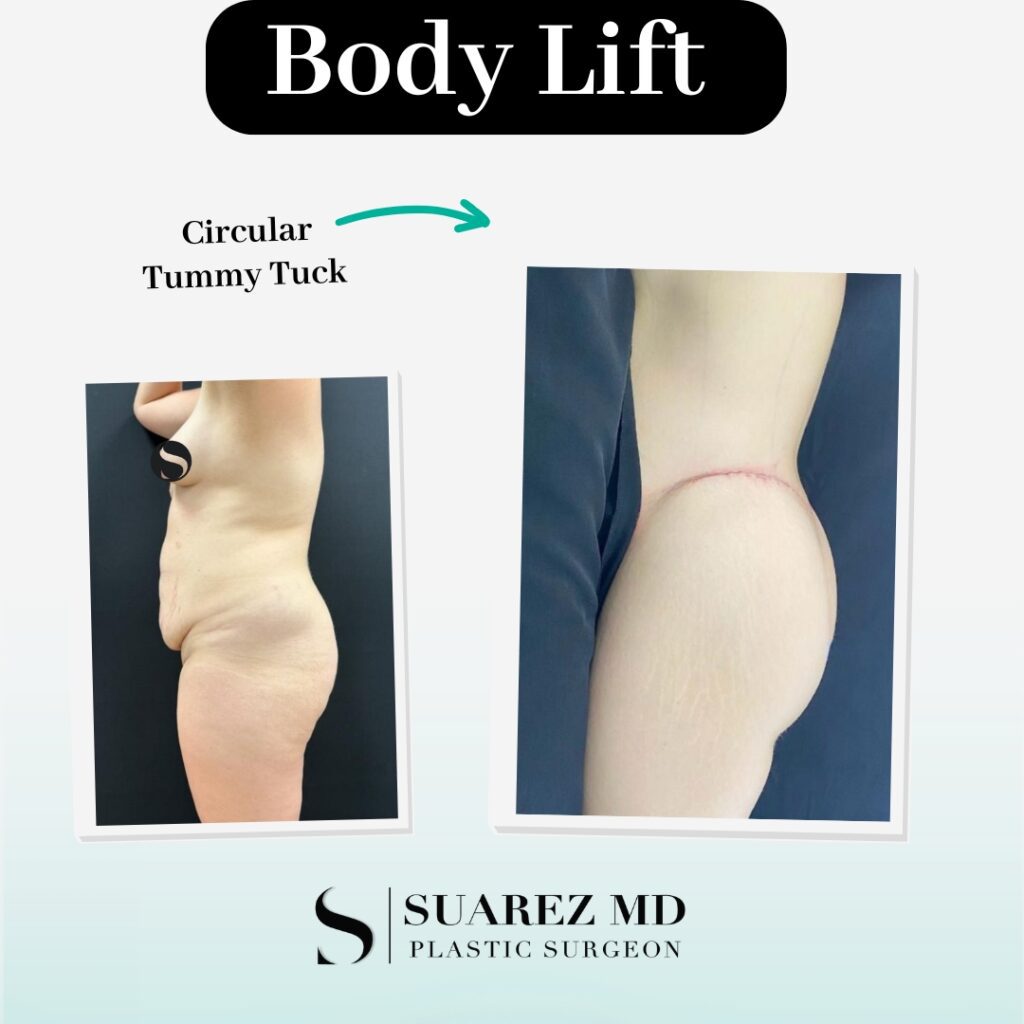
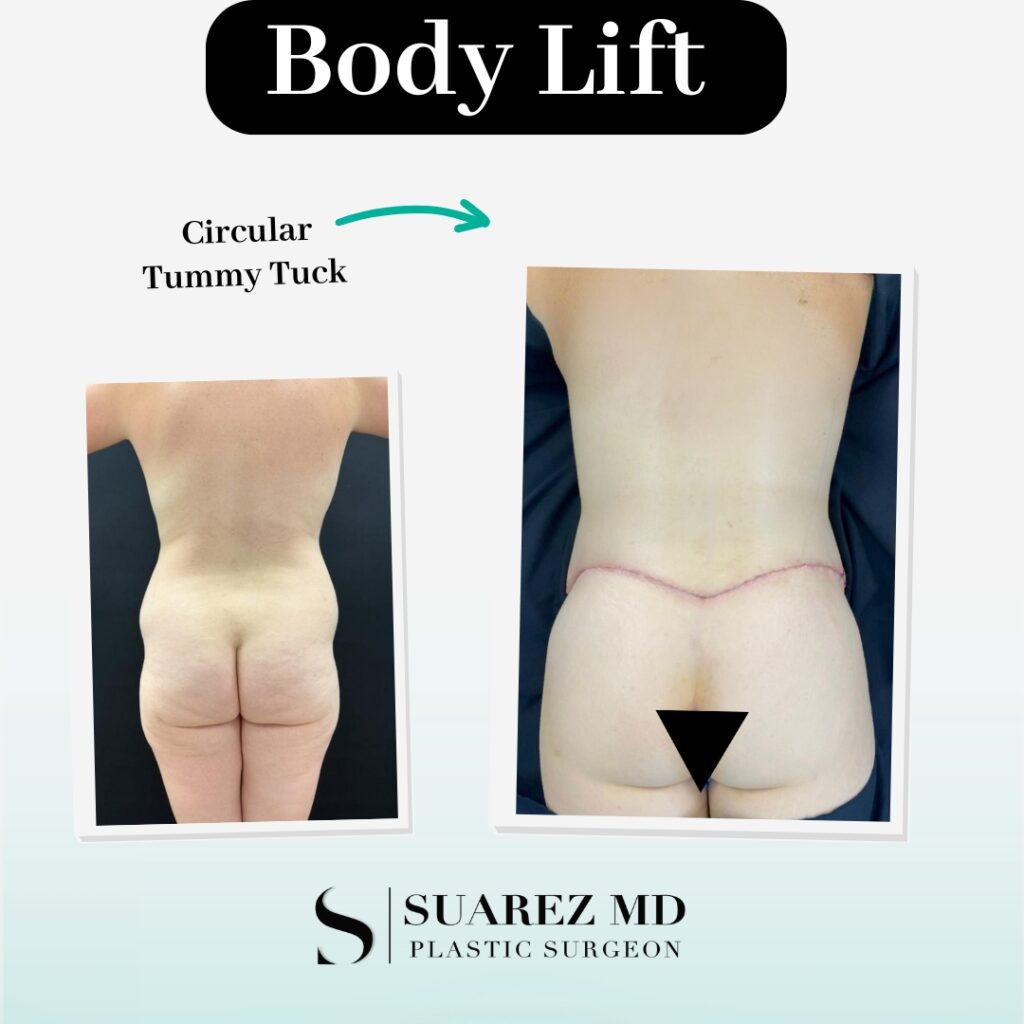
A body lift (lower body lift or circumferential body lift) is more comprehensive: it reshapes and tightens the abdomen, hips, flanks and the posterior torso in a continuous fashion. The body lift targets contour and aesthetic restoration after massive weight loss, addressing excess skin both anteriorly and posteriorly.
Quick anatomy & diagram area
Below is a reserved area (you can zoom in) for a simple schematic showing treated zones: pannus only (front low abdomen) vs body lift (circumferential — abdomen, flanks, buttocks).


Cost and Recovery Comparison in Tijuana
Costs vary depending on procedure complexity, hospital facility level, anesthesia, and whether additional procedures (liposuction, hernia repair) are performed. Below is a general comparison range to use as a planning guide.
Estimated ranges – Tijuana
| Procedure | Estimated Price Range (USD) | Typical Recovery | Hospital / Facility |
|---|---|---|---|
| Panniculectomy (standalone) | $4,000 – $7,500 | 7–14 (light activity), 4–6 weeks for full return | Outpatient or short in-patient at Hospital CER — sterile OR, general anesthesia |
| Lower Body Lift (circumferential) | $9,000 – $18,000 | 10–21 (initial), 6–12 weeks for progressive return | In-patient at Hospital CER — full surgical team, overnight stay(s) as indicated |
| Combined procedures | Varies — add $1,500–$5,000+ | May extend recovery by 1–3 weeks | Depends on added procedures and complexity |
How Dr. Suárez Ensures Safety and Symmetry
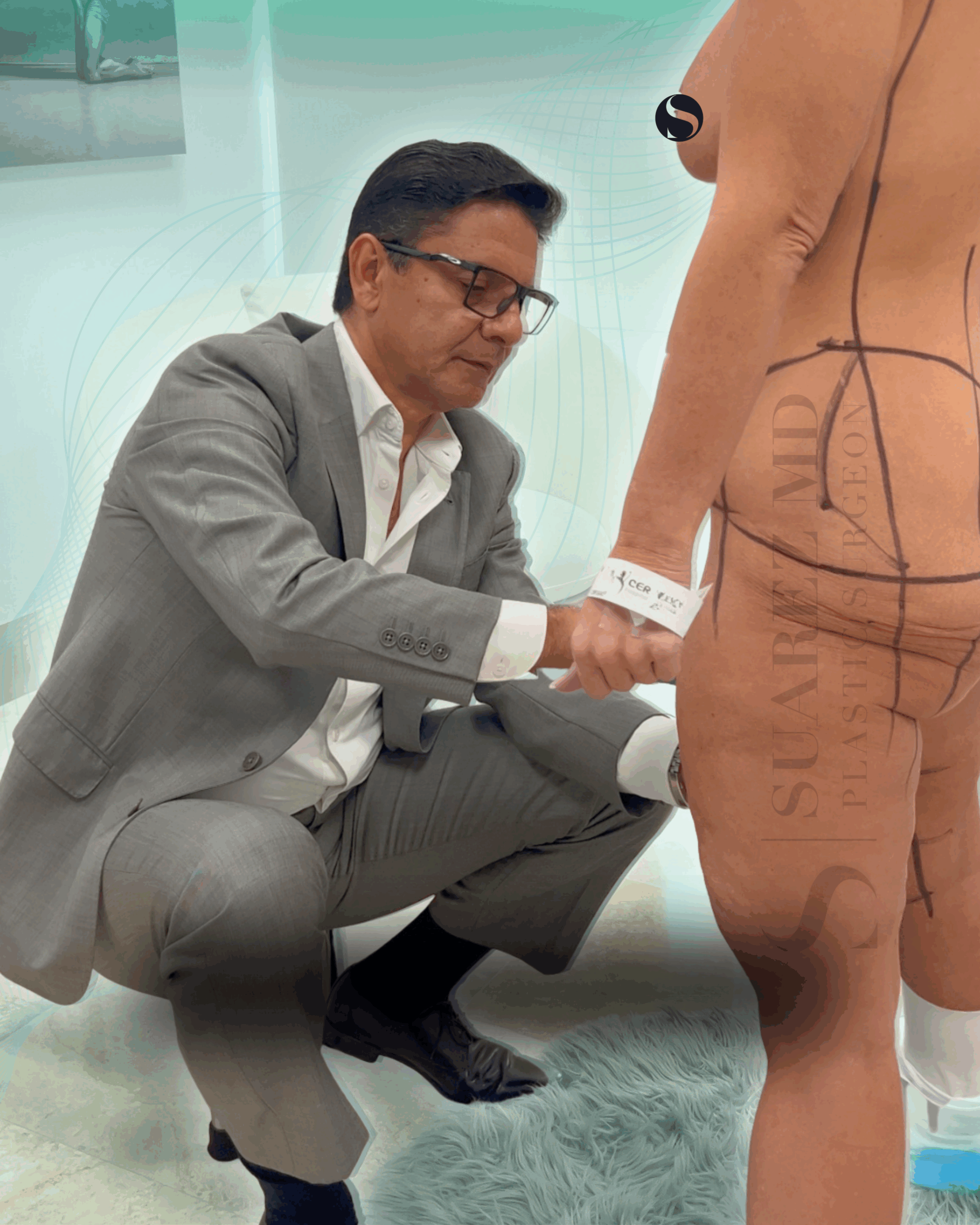
Dr. Suárez approaches each case with a surgical plan tailored to the patient’s anatomy, functional needs, and desired outcome. Safety priorities include thorough preoperative testing, venous thromboembolism prophylaxis, meticulous infection control and staged procedures when indicated.
To achieve symmetry, intraoperative measurements, tissue handling that preserves blood supply, and attention to scar placement are emphasized. Where appropriate, liposuction is used to refine contours while minimizing tension on closure lines.
Scars and Results Over Time
Scarring is an expected and permanent part of both procedures. A panniculectomy scar is typically low across the lower abdomen; a body lift leaves a circumferential scar around the torso and sometimes vertical components depending on excision patterns.
Early scars are pink and slightly raised — they soften and fade over 6–18 months. Factors affecting scar appearance include genetics, nutrition, smoking history, wound tension and postoperative care. Dr. Suárez provides guidance on scar management, including silicone, sun protection and follow-up treatments if needed.
Circular Tummy Tuck
Semi-Circular Lipectomy
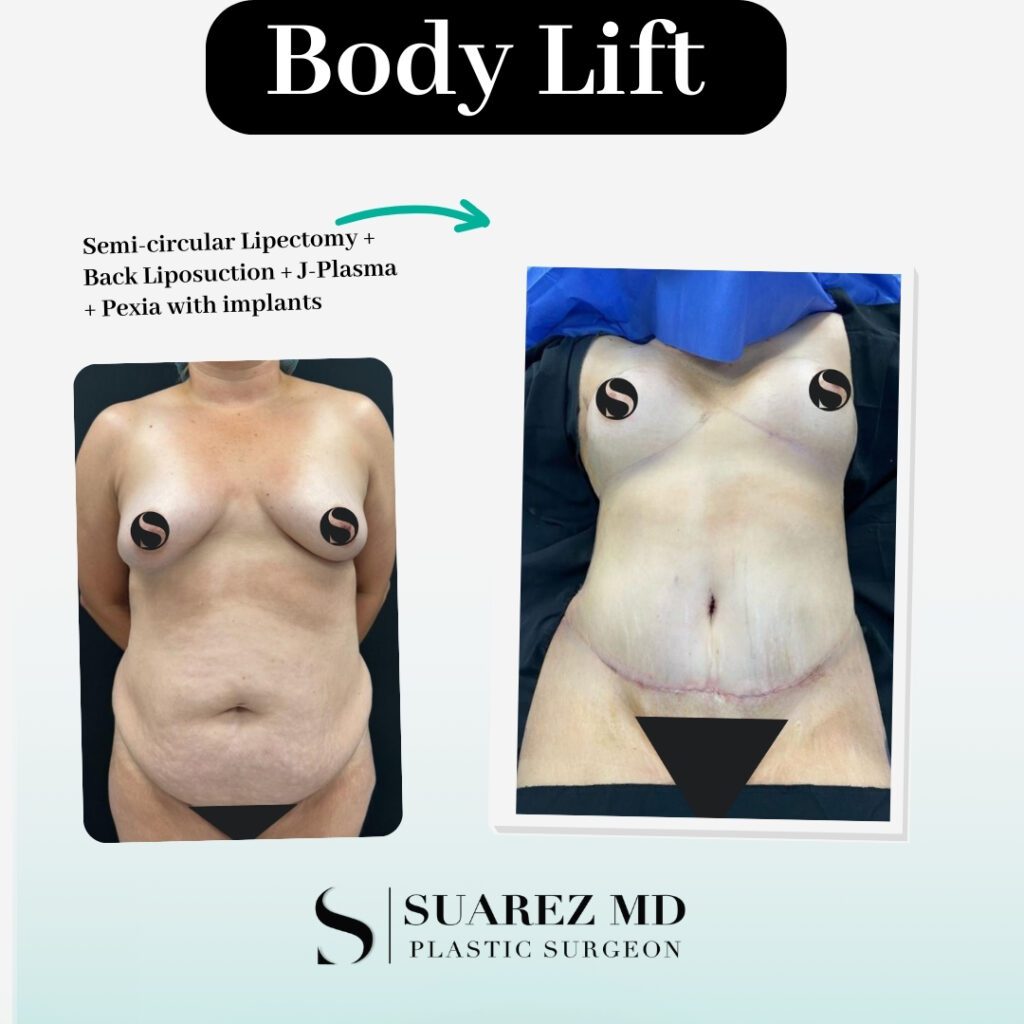
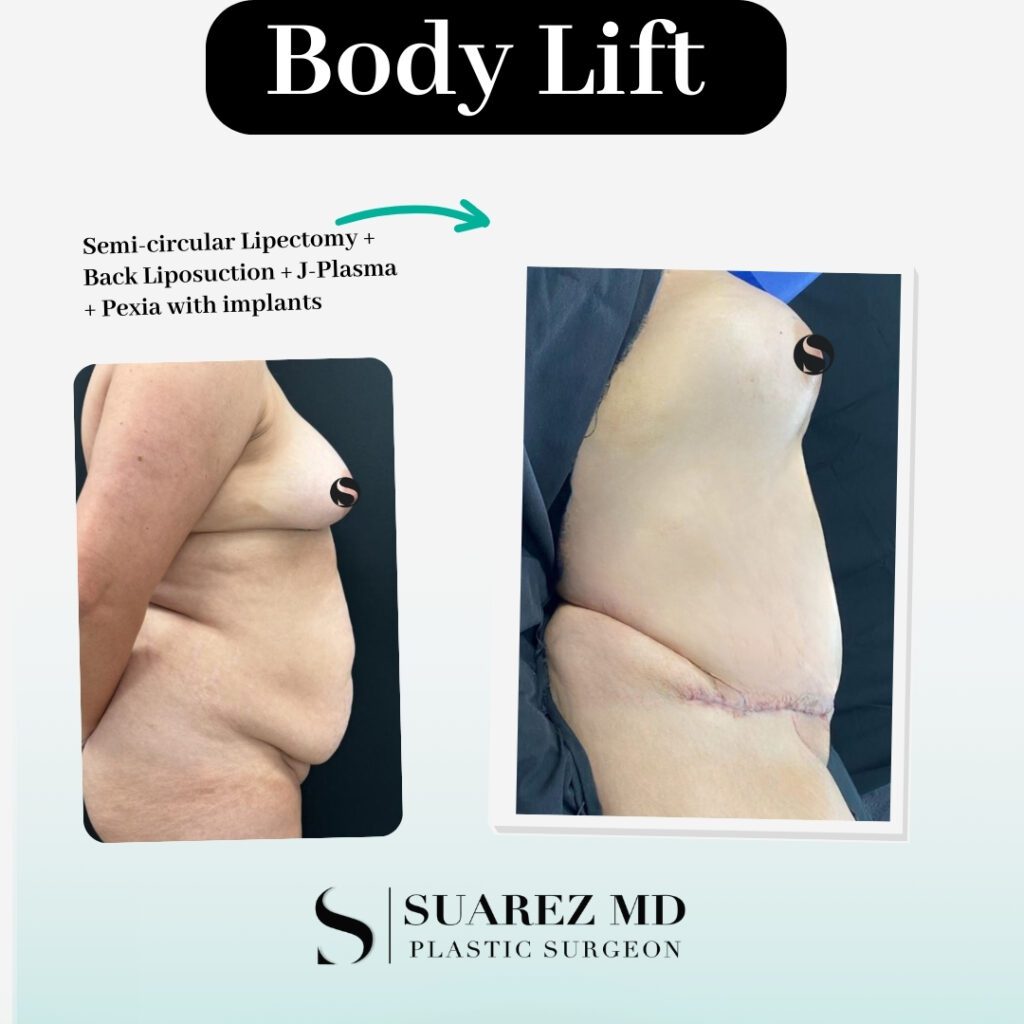
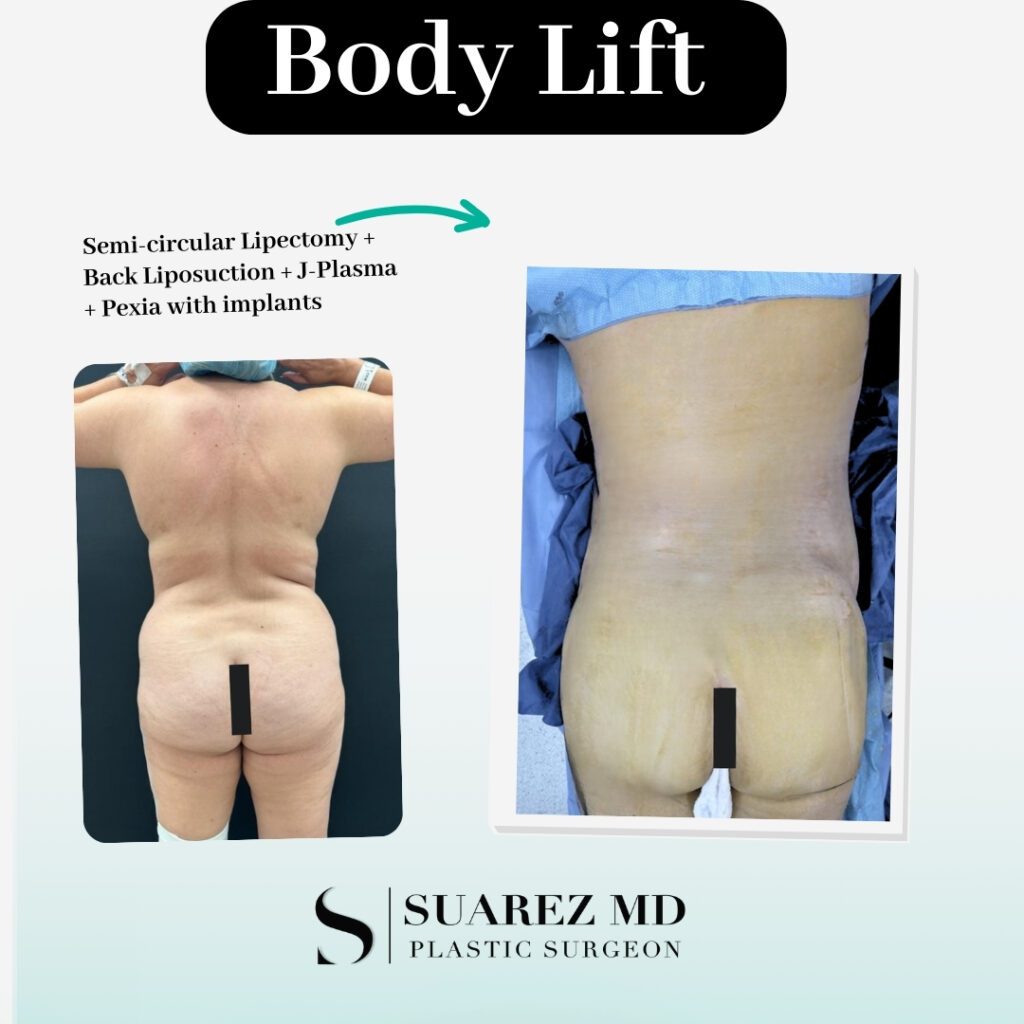
Setting realistic expectations
Expect improvement in contour and function; scars will be visible but can be positioned to be hidden by most clothing. Discuss realistic goals with your surgeon and review multiple case examples during your evaluation.
START A VIRTUAL CONSULTATION
A virtual consultation is when you send us photos of the places of your body where you’d like to improve. Then our surgeon analyzes it to confirm that you are a candidate for that particular procedure. We later inform you about our doctor’s decision and give you a quote with all the information about your surgery. Please, do be at ease that everything is confidential between yourself, the doctor, and the doctor’s representative.